

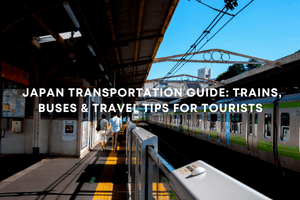
Japan Transportation Guide: Trains, Buses & Travel Tips for Tourists
Are you considering a Japan Trip? One of the most crucial elements of making a seamless and memorable trip is comprehending the transportation system. Japan has one of the most effective and visitor-friendly transportation systems in the world, whether you’re taking high-speed trains between cities or local buses to discover hidden treasures.
We’ll cover all you need to know about Japan’s trains, buses, travel passes, and important tourist advice in this Fly For Holidays transportation guide. We’ll also include popular and popular keywords like Japan Rail Pass guide, Shinkansen travel tips, Japan public transportation system, IC cards Japan, Tokyo subway guide, and more.
Why Japan’s Transportation System is World-Class
Japan Tour Packages suggest to travel with Japan’s public transportation system, which is renowned throughout the world for being incredibly dependable, quick, clean, and on time. Almost every region of the nation, from busy cities to isolated rural areas, is connected by the rail network alone, which spans thousands of kilometers.
Millions of people use trains every day because of their efficiency and convenience, making them the foundation of transportation.
Read Also: “Business Travel in Japan: Etiquette, Work Culture & Useful Tips”
Let Our Japan Tour Package Expert Call You
Japan Train System Guide
Types of Trains in Japan
Depending on distance, cost, and speed, Japan offers a variety of train types:
Shinkansen (Bullet Train)
Fast trains that link major cities like Kyoto, Osaka, and Tokyo
Speeds up to 320 km/h
Best for long-distance travel
Limited Express Trains
Faster than regular trains
Fewer stops
Often require seat reservation
Rapid & Local Trains
Ideal for city and short-distance travel
No reservation needed
Almost anywhere in Japan can be reached by train thanks to the country’s vast rail network.
Japan Rail Pass (JR Pass) – Is It Worth It?
One of the most popular travel-related topics is the Japan Rail Pass.
What is JR Pass?
- Most JR trains (including many Shinkansen) offer unlimited travel.
- Available for 7, 14, or 21 days
When is it worth buying?
- Best for multi-city trips (Tokyo → Kyoto → Osaka → Hiroshima)
- Not always cost-effective for short stays
Reddit travelers often say:
“JR Pass is expensive… calculate if it fits your itinerary first.”
IC Cards in Japan (Suica, Pasmo, ICOCA)
IC cards are essential for travelers.
Benefits:
- Tap-and-go convenience
- Works on trains, subways, and buses
- Suitable for stores and vending machines
Popular Cards:
- Suica
- Pasmo
- ICOCA
They make travel easier by doing away with the need to purchase tickets each time.
Let Our Japan Tour Package Expert Call You
Metro & Subway Systems in Japan
Cities with extremely sophisticated subway systems include Tokyo and Osaka.
Key Features:
- English signage available
- Frequent trains every few minutes
- Covers major attractions
For tourists, subways are frequently the most convenient way to get around cities.
Read Also: “Japan’s Anime & Pop Culture Guide: Ultimate Japan Travel Guide ”
Bus Transportation in Japan
Buses are just as significant as trains, particularly in rural and picturesque areas.
Types of Buses
Highway Buses
- Connect major cities
- Cheaper than trains
- Overnight options available
Local Buses
- Ideal for rural destinations
- Reach places trains cannot
Buses are frequently the only means of transportation to locations like temples and mountain villages.
When to Choose Buses Over Trains
Choose buses when:
- You’re traveling on a budget
- Visiting remote areas
- Want scenic routes
Choose trains when:
- You need speed
- Traveling long distances
- Time is limited
Other Transportation Options
Taxis
Expensive but convenient
Best for short distances or late-night travel while exploring Japan Nightlife
Rental Cars
Ideal for countryside exploration
Not recommended for big cities
Airport Transfers
Airport trains (fastest option)
- Limousine buses (comfortable and direct)
How to Navigate Japan Transport Easily
Use Navigation Apps
- Google Maps
- Navitime
- Japan Transit Planner
These applications offer precise timings, routes, and platform information.
Understanding Stations
With dozens of platforms and connections, major stations like Tokyo Station can be enormous.
Tip:
- Arrive early
- Follow color-coded lines
- Use exit numbers
Read Also: “Taste of India in Japan: Top Indian Restaurants for Authentic Flavors”
Essential Travel Tips for Tourists
Plan Your Routes in Advance
Japan’s transportation system is effective but challenging for beginners.
Avoid Rush Hours
7:30 AM – 9:30 AM
5:00 PM – 7:00 PM
Learn Basic Train Etiquette
No talking loudly
No phone calls
Avoid eating on local trains
Reserve Seats for Long Trips
Especially for:
Shinkansen
Limited Express trains
Travel Light
To avoid carrying bags, use luggage delivery services.
Choose the Right Pass
Travel Type | Best Option |
City travel | IC Card |
Multi-city travel | JR Pass |
Regional travel | Regional Pass |
Pro Travel Hacks (2026 Trends)
- Use Mobile IC Cards
Because they are more convenient, digital versions are growing in popularity.
- Overnight Buses Save Money
Save on both transport + hotel costs.
- Combine Train + Bus Travel
Best way to explore hidden Japan.
- Book Shinkansen Online
Avoid queues and secure seats early.
Read Also: “Japan Winter Travel Guide: Ski Resorts, Snow Festivals & Northern Highlights”
Japan Transportation Cost Overview
Transport Type | Cost Range |
Local Train | ₹100 – ₹300 |
Subway | ₹150 – ₹400 |
Shinkansen | ₹8,000 – ₹15,000 |
Bus | ₹200 – ₹5,000 |
Read Also: “Shopping in Japan: From Luxury Malls to Local Markets & Anime Stores”
Best Transportation Strategy for Tourists
First-Time Visitors:
Use IC Card + Subway + JR Lines
Budget Travelers:
Prefer buses + regional passes
Luxury Travelers:
Shinkansen + reserved seats
Read Also: “Best Onsen Towns in Japan: Hot Springs, Ryokan Stays & Wellness Guide”
Common Mistakes to Avoid
- Buying JR Pass without planning
- Not understanding train types
- Missing last trains
- Ignoring bus routes in rural areas
- Keeping not ready your Japanese Visa
Read Also: “Top 10 Must-Visit Places in Japan for Every Type of Traveler”
Conclusion
When you grasp the fundamentals, Japan’s transportation system becomes one of the simplest and most pleasurable ways to travel the nation, even though it may initially seem overwhelming.
Every trip in Japan is an experience in and of itself, from the breathtaking scenery of rural buses to the speed of the Shinkansen bullet train. You can quickly become an expert traveler, if you plan ahead, use IC cards, select the appropriate passes, and observe local customs.
Japan Transportation Guide: Trains, Buses & Travel Tips for Tourists Faq's
When visiting Japan, you will notice how efficient, neat and tourist-friendly the public transport system is with English signage and a well-organised route structure that will make your trip as simple as possible — even if this is your first time travelling!
One of the cheapest ways to get around Japan is by using local trains, buses and discount travel passes or overnight highway buses.
For planning your route, to find the right times and costs for train and bus travel through Japan, download these popular apps: Google Maps, Navitime and the Japan Transit Planner.
A service that provides luggage forwarding from hotel to hotel makes the travelling process easier for visitors to Japan.
Major IC cards such as Suica, Pasmo and ICOCA are mutually interchangeable; meaning all three can be used for travel in cities all over Japan.
Buses are typically cheaper than train travel, especially highway buses, and so for travellers on a budget, this is another way to save money.
The rail lines operated by Japan Railways provide both intercity travel as well as travelling within cities, while subway systems are the underground metro systems that are city-specific.
In general, taking a taxi to places is comparatively expensive compared to the public transportation system; you can use the taxi system to travel short distances or to get to places in emergencies.
While it is not required to reserve seats for trains, it is a good idea to reserve seats in advance if you plan on travelling during the busy peak periods and holidays to be assured of a comfortable trip.
The IC card is a preloaded rechargeable smart card that is available for travelers and can be used to pay for all trains, buses and convenience store purchases simply by tapping the card.

Comment (0)