

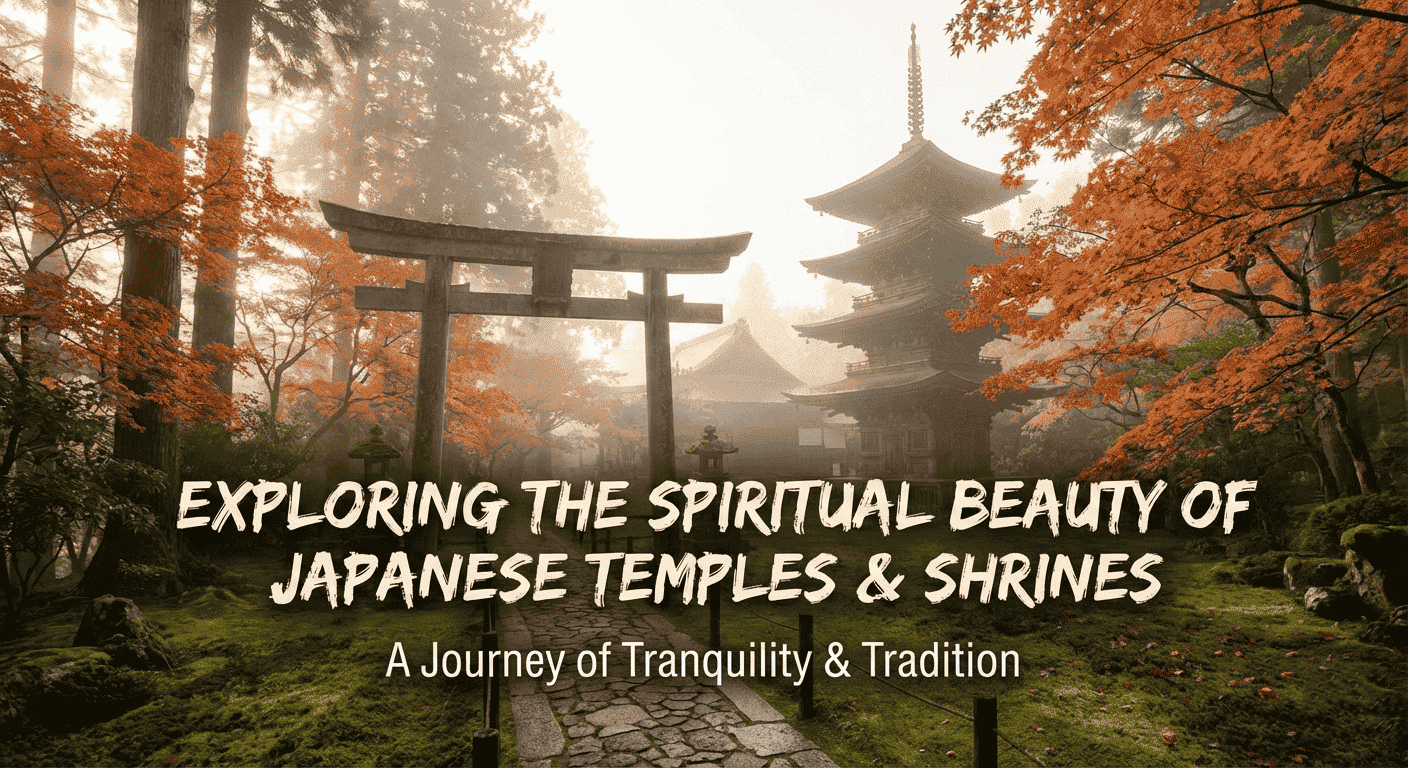
Exploring the Spiritual Beauty of Japanese Temples & Shrines
Japan is a country where ancient customs coexist peacefully with contemporary life, and its temples and shrines are the best places to witness this harmony. Japanese temples and shrines provide visitors with a profound spiritual experience, breathtaking architecture, and a window into centuries-old beliefs, from the classic streets of Kyoto to the revered deer-filled parks of Nara and beyond. The most famous Japanese temples and shrines are examined in this Fly For Holidays guide, along with their cultural significance, history, and reasons that anyone considering a trip to Japan should not miss.
Understanding Temples and Shrines in Japan
Japan Tour Packages offers travelers to experience spiritual places, but it’s crucial to comprehend the distinction between temples and shrines in Japan before visiting particular locations. While Japanese shrines are part of Shinto, the country’s native religion, Japanese temples are connected to Buddhism. While shrines are distinguished by torii gates, purification fountains, and a close relationship with nature, temples typically have Buddha statues, incense burners, and pagodas.
Both are essential stops on any cultural tour of Japan because they are central to the spirituality of Japanese Culture.
Let Our Japan Tour Package Expert Call You
How to book a Japan tourist visa from Mumbai?
Booking your Japan Tourist Visa From Mumbai is simple and stress-free with Fly For Holidays, your trusted travel agency in the city. Our experienced staff accurately manages paperwork, application submission, appointment support, and interview grooming. To guarantee a seamless and trouble-free procedure, we adhere to the most recent Japan Embassy guidelines. We offer individualized assistance for a stress-free visa application process from beginning to end. Get in touch with Fly For Holidays in Mumbai to confidently start your trip to Japan.
Read Also: “How to Plan a Trip to Japan: The Ultimate Travel Guide”
Kyoto: The Heart of Japanese Spiritual Heritage
Many people refer to Kyoto as Japan’s spiritual capital. A Family Trip to Japan is truly worth it, as there are more than 2,000 temples and shrines, the city is a veritable gold mine for those interested in spirituality, history, and photography.
- Kinkaku-ji (The Golden Pavilion)
Kinkaku-ji, one of the most well-known temples in Kyoto, is distinguished by its exterior covered in gold leaves that exquisitely reflect off the nearby pond. It was first constructed as a shogun’s retirement home before being converted into a Zen Buddhist temple. It is one of the most photographed locations in Japan because of its serene gardens and mirror-like water, which stand for harmony and peace.
- Fushimi Inari Taisha
One of the most recognizable shrines in Japan is Fushimi Inari Taisha, which is well-known for its thousands of vivid red torii gates that form tunnels along the paths of forested mountains. This shrine, which honors Inari, the Shinto god of rice and prosperity, is a popular destination for tourists and spiritual pilgrims alike.
A highlight of any tour of a Kyoto shrine is passing through the torii gates, which are thought to be a purifying and contemplative experience.
- Kiyomizu-dera Temple
One of Japan’s most popular Buddhist temples, Kiyomizu-dera is a UNESCO World Heritage Site perched on wooden stilts with a view of Kyoto. The temple provides expansive views of Japan’s Cherry Blossoms in the spring and flaming maple leaves in the fall.
The surrounding streets are lined with traditional stores, creating the ideal fusion of local culture and spirituality.
Read Also: “Japan’s Anime & Pop Culture Guide: Ultimate Japan Travel Guide”
Let Our Japan Tour Package Expert Call You
Nara: Where Nature and Spirituality Meet
International Tour Packages allow travelers to explore every corner of the globe while experiencing the beauty of spirituality. One Such must-see location for touring historic temples and shrines is Nara, Japan’s first permanent capital. The city is renowned for its serene ambiance, historical sites, and amiable deer that are revered messengers.
- Todai-ji Temple One of Japan’s most significant Buddhist temples, Todai-ji is home to the enormous bronze statue of the Great Buddha (Daibutsu), which evokes reverence and awe. The power and influence of Buddhism in antiquity are reflected in the temple complex. Todai-ji is a key component of any Nara temple tour since visitors frequently characterize it as a profoundly spiritual experience.
- Kasuga Taisha ShrineA well-known Shinto shrine in Nara, Kasuga Taisha is renowned for its hundreds of bronze and stone lanterns. The shrine, which is surrounded by ancient forest, has a charming atmosphere, particularly during lantern festivals.
The harmony between Shinto beliefs and nature is beautifully represented by this sacred site.
Read Also: “Everything You Need to Know About Traditional Visa of Japan
Beyond Kyoto and Nara: Spiritual Sites Across Japan
While Kyoto and Nara are the main attractions, there are many other places in Japan with equally fascinating temples and shrines.
- Nikko Toshogu Shrine
Nikko Toshogu, situated close to Tokyo, is a shrine richly decorated in honor of Tokugawa Ieyasu, the founder of the Tokugawa shogunate. This shrine stands out from other shrines because of its intricate carvings and colors.
- tsukushima Shrine, Hiroshima
Renowned for its “floating” torii gate, Itsukushima Shrine is one of the most beautiful spiritual destinations in Japan. The shrine seems to be floating when viewed from a distance during high tide.
- Zen Temples of Kamakura
Kamakura has some of the most serene Zen temples in Japan, including Hasedera and Engaku-ji. These temples are known for their emphasis on meditation, simplicity, and mindfulness, providing a respite from the hustle and bustle of city life.
Read Also: “Top 10 Must-Visit Places in Japan for Every Type of Traveler”
Cultural Etiquette When Visiting Japanese Temples & Shrines
Knowing the etiquette will improve your experience and is a sign of respect for the culture:
- Bow slightly before entering torii gates
- Purify hands and mouth at water fountains
- Remove shoes where required
- Keep silence and refrain from disruptive behavior
By following these traditions, visitors can better connect with the spiritual culture of Japan.
Read Also: “A Taste of Japan: Exploring the Country Through Its Rich Culinary Heritage”
Best Time to Visit Japanese Temples & Shrines
The temples and shrines of Japan are lovely at all times of the year, although there are some seasons that add to their beauty
- Spring (March to April): Cherry blossoms offer magical scenery
- Autumn (October to November): Fall colors
- A Winter Japan Trip will be a good deal as it will be less crowded and serene surroundings.
Visiting Japan during these times of the year can certainly enhance your temple tour experience in the country.
Read Also: “Best Onsen Towns in Japan: Hot Springs, Ryokan Stays & Wellness Guide”
Why Exploring Japanese Temples & Shrines is a Must
Visiting Japanese temples and shrines is more than just sightseeing; it is an experience of the soul of Japan. These temples and shrines tell the stories of emperors, monks, and traditions that date back centuries. Keep your Japanese Visa ready so you don’t miss out this deeply spiritual experience!
Whether you are a history buff, a spiritual seeker, or a cultural traveler, a visit to Kyoto, Nara, and other spiritual sites will surely give you memories that will last a lifetime.
Read Also: “Shopping in Japan: From Luxury Malls to Local Markets & Anime Stores”
Best Japanese tourist visa agent in Mumbai
Offering dependable and competent visa assistance, Fly For Holidays is regarded as one of the top Japanese Tourist Visa Agents in Mumbai. Documentation, application filing, and appointment support are all handled by our knowledgeable staff. To guarantee accuracy and speedy processing, we closely adhere to the most recent Japan Embassy guidelines. We make your visa application process easy and stress-free with our individualized service and clear advice. Travel to Japan with total confidence by selecting Fly For Holidays in Mumbai.
Read Also: “What are the Necessary Requirements and Fees for Visa of Japan?”
Conclusion
Japan’s religious legacy is varied and incredibly inspiring, ranging from the golden elegance of Kyoto temples to the historic tranquility of Nara shrines and the breathtaking beauty of spiritual locations throughout the nation. A meaningful and culturally rich trip to Japan is guaranteed when you include these places on your itinerary.
To fully appreciate Japan’s spiritual beauty, make sure your trip includes these famous temples and shrines.
Exploring the Spiritual Beauty of Japanese Temples & Shrines Faq's
Just put your hands together, bow slightly (some recommend a 45-degree angle), and offer up your prayers. As you leave the temple grounds and the main hall, bow once more. Lighting incense sticks and leaving them as offerings is permitted in certain temples.
Shrines are part of the Shinto religion, whereas temples are Buddhist places of worship.
Japan’s Kyoto is a historical city with numerous ancient temples. It continues to be a hub of culture and religion and was the capital of Japan for more than a millennium (794–1868).
While indoor spaces may have limitations, outdoor photography is typically permitted.
Yes, with special festivals on specific dates, the majority are open all year round.
It is advised to dress modestly and comfortably, taking off shoes when necessary.
They are a reflection of Japan’s centuries-old customs, stunning architecture, and spiritual heritage.
A comfortable two to three days is ideal for touring the main temples and shrines.
Yes, guests are welcome to respectfully offer prayers, incense, and well wishes.
The best seasons are spring from March to April (cherry blossom season) and Autumn from October to November (fall foliage).

Comment (0)